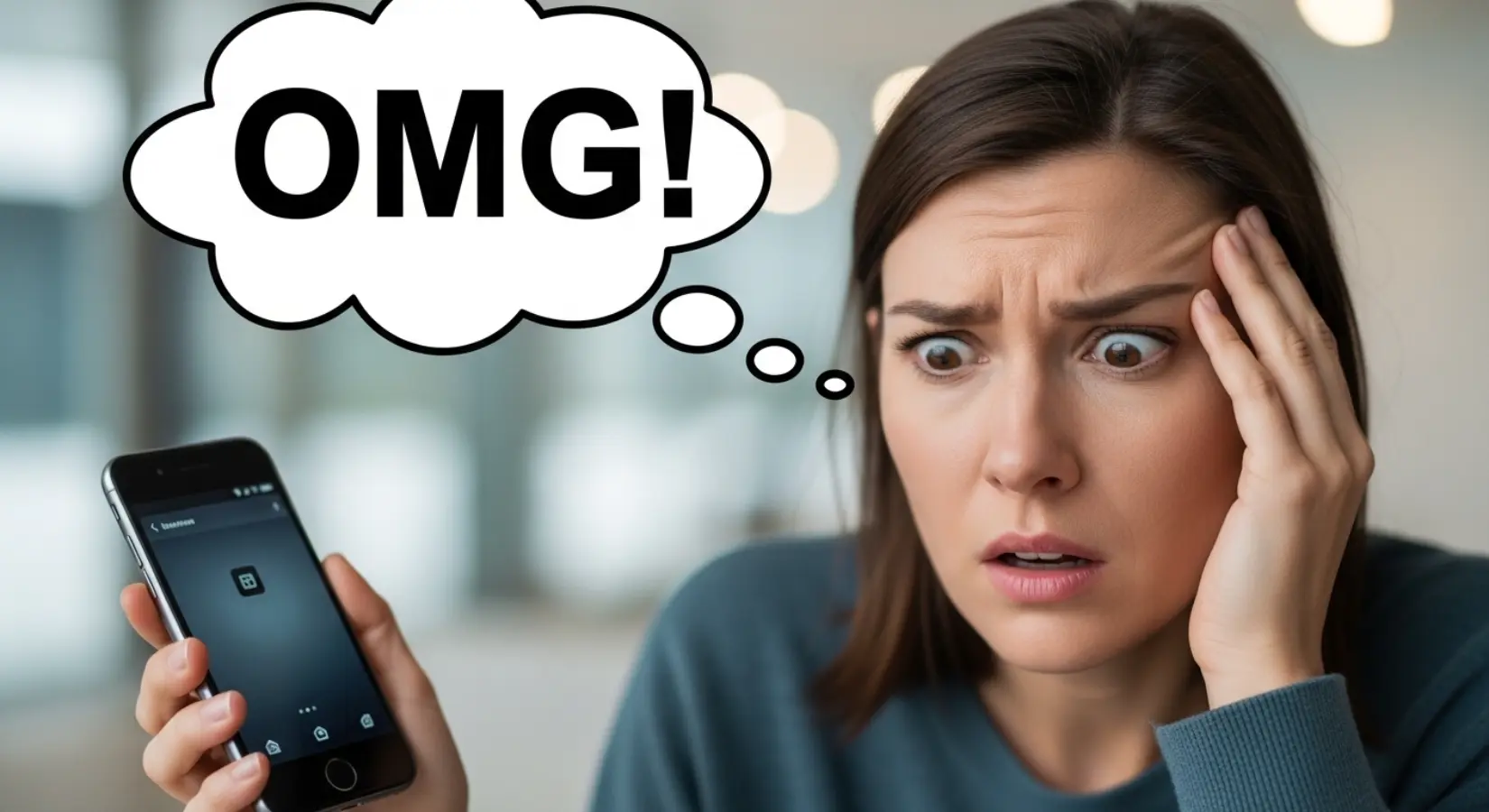
Omg meaning in text is something many people search when they first come across this popular internet slang.
If you’re chatting on WhatsApp, scrolling social media, or gaming online, you’ve probably seen “OMG” used everywhere.
In today’s digital communication, people prefer short and quick expressions to share their feelings.
That’s where slang like OMG becomes useful. It helps you react instantly without typing long sentences—while still clearly showing your emotions.
But what exactly does OMG mean, and is it always appropriate to use? Let’s break it down in a simple and easy way.
⚡ Quick Answer:
OMG stands for “Oh My God” or “Oh My Gosh.” It is used to express strong emotions like surprise, excitement, or shock in text messages and online chats.
What does OMG mean in text?
The term OMG is one of the most common slang terms used in texting and online communication.
👉 It mainly means:
- Oh My God (most common)
- Oh My Gosh (softer alternative)
People use OMG to quickly react to something surprising, exciting, shocking, or even disappointing.
OMG full form and definition
- Full Form: Oh My God / Oh My Gosh
- OMG meaning slang: A quick emotional reaction used in digital conversations
- What does OMG stand for: An expression to show strong feelings instantly
This simple abbreviation has become a universal way to express emotions without typing full sentences.
Meaning in Different Contexts
The meaning of OMG depends on how and where you use it:
1. Excitement
👉 “OMG, I just passed my exam!”
Used when you’re very happy or thrilled.
2. Surprise
👉 “OMG, you’re here already?”
Reacting to something unexpected.
3. Shock
👉 “OMG, I can’t believe this happened.”
Used for sudden or shocking situations.
4. Disappointment
👉 “OMG, this is so bad.”
Expressing frustration or negativity.
Another important meaning of OMG
Besides “Oh My God,” many people also use:
👉 Oh My Gosh
Why people use “Oh My Gosh”:
- It sounds more polite and respectful
- Avoids religious sensitivity
- Suitable for family-friendly conversations
Example:
- “OMG, this is so cute!” (Oh My Gosh)
- “OMG, that was unexpected!”
💡 Both meanings are understood the same way in texting—the difference is mainly about tone and personal preference.
Is OMG rude, offensive, or neutral?
OMG is generally neutral, but context matters.
- ✅ Neutral: Casual chats with friends
- ⚠️ Sensitive: Some people avoid it for religious reasons
- ❌ Not suitable: Formal or professional settings
If you’re unsure, it’s better to use a safer alternative.
Where is OMG commonly used?
OMG is widely used across different platforms:
- Text messages (SMS, WhatsApp)
- Social media (Facebook, Instagram, X)
- Online games
- Comments and captions
- Casual conversations
It’s especially popular among younger users and digital communities.
Real-life examples of usage
Here are some common examples:
- “OMG, your new phone looks amazing!”
- “OMG, I forgot my assignment!”
- “OMG, that movie was incredible!”
- “OMG, what just happened?”
Origin and background of OMG
OMG might feel like a modern slang, but it actually has a long history.
- First recorded use: 1917
- Used in a letter by British Admiral John Fisher
- Became popular again with the rise of texting and the internet
Today, OMG is one of the most widely recognized abbreviations worldwide.
Comparison with similar slang
Here’s how OMG compares with other slang terms:
| Slang Term | Full Form | Meaning | Tone |
|---|---|---|---|
| OMG | Oh My God/Gosh | Surprise, excitement | Casual |
| OML | Oh My Lord | Similar to OMG, softer tone | Casual |
| WOW | — | Amazement | Neutral |
| WTF | What The F*** | Shock or anger | Strong / Rude |
| SMH | Shaking My Head | Disapproval | Casual |
When to use OMG and when to avoid it
✅ Use OMG when:
- Chatting with friends
- Posting on social media
- Reacting quickly to something exciting
- Casual conversations
❌ Avoid OMG when:
- Writing professional emails
- Talking in formal settings
- Communicating with elders (depending on culture)
- In serious or sensitive discussions
Polite alternatives to OMG
If you want a safer or more formal tone, try:
- Wow
- Oh wow
- That’s surprising
- Incredible
- Unbelievable
- Oh no
These alternatives work well in both casual and semi-formal situations.
Why people use OMG
OMG is popular for several reasons:
- ✔ Saves time
- ✔ Easy to type
- ✔ Expresses emotions quickly
- ✔ Widely understood
- ✔ Makes conversations more engaging
It fits perfectly in today’s fast-paced digital communication.
Impact of using slang in communication
Positive:
- Makes chats more fun and expressive
- Helps build connections
- Adds personality to messages
Negative:
- Can seem unprofessional
- May be misunderstood
- Not suitable for every audience
Using slang wisely is important for effective communication.
Is OMG safe for social media?
Yes, OMG is generally safe for social media.
- Widely accepted
- Not considered offensive in most contexts
- Common in posts, comments, and captions
Just make sure it matches your audience and tone.
Examples of OMG in different tones
Friendly:
- “OMG, I’m so happy for you!”
Casual:
- “OMG, this food is delicious!”
Argumentative:
- “OMG, you never understand me!”
Gaming / Social Media:
- “OMG, that was an epic win!”
- “OMG, we just leveled up!”
FAQs about OMG meaning in text
1. What does OMG mean in texting?
OMG means “Oh My God” or “Oh My Gosh,” used to express strong emotions.
2. Is OMG rude?
No, it is generally neutral, but it may be sensitive for some people.
3. Can I use OMG in formal writing?
No, it’s best to avoid it in professional or formal communication.
4. What is OMG meaning slang?
It is a slang expression used to show surprise, excitement, or shock.
5. What are polite alternatives to OMG?
You can use “Wow,” “Incredible,” or “That’s surprising.”
6. Is OMG used worldwide?
Yes, it is widely recognized and used globally.
Conclusion
Understanding the omg meaning in text helps you communicate more naturally in today’s online world. It stands for “Oh My God” or “Oh My Gosh” and is used to express emotions like surprise, excitement, or shock.
While it’s perfect for casual conversations and social media, it’s important to use it carefully. Avoid using it in formal situations and always consider your audience.
In the end, OMG is a simple yet powerful expression that adds emotion and energy to your messages—just make sure you use it in the right context.

I’m Amara Hope, a writer who believes words can heal, inspire, and bring people closer. I love creating heartfelt wishes and joyful messages that brighten someone’s day. Every line I write carries a bit of love, hope, and positivity. Through my writing, I aim to spread kindness and make every moment meaningful.