Emoji meaning in text is something almost everyone wonders about at some point. You’ve probably received a message with a simple 🙂, 😂, or 😏 and paused to think, “What does that really mean?”
Emojis have become a huge part of online communication, helping people express emotions, tone, and intent without using many words.
From friendly chats to professional messages, emojis can completely change how a sentence feels. But the tricky part?
The same emoji can mean different things depending on context, culture, and even the relationship between people.
⚡ Quick Answer
Emoji meaning in text refers to the emotional or symbolic message behind an emoji used in digital communication. Emojis add tone, feeling, or intent to a message.
What does Emoji meaning in text?
Emoji meaning in text is the interpretation of symbols (emojis) used in messages to express emotions, ideas, or reactions.
Emoji full form / definition
The word “emoji” comes from Japanese:
- “E” = picture
- “Moji” = character
So, emojis are basically picture characters used in text communication.
Meaning in Different Contexts
Emojis don’t always have one fixed meaning. Their interpretation depends on context.
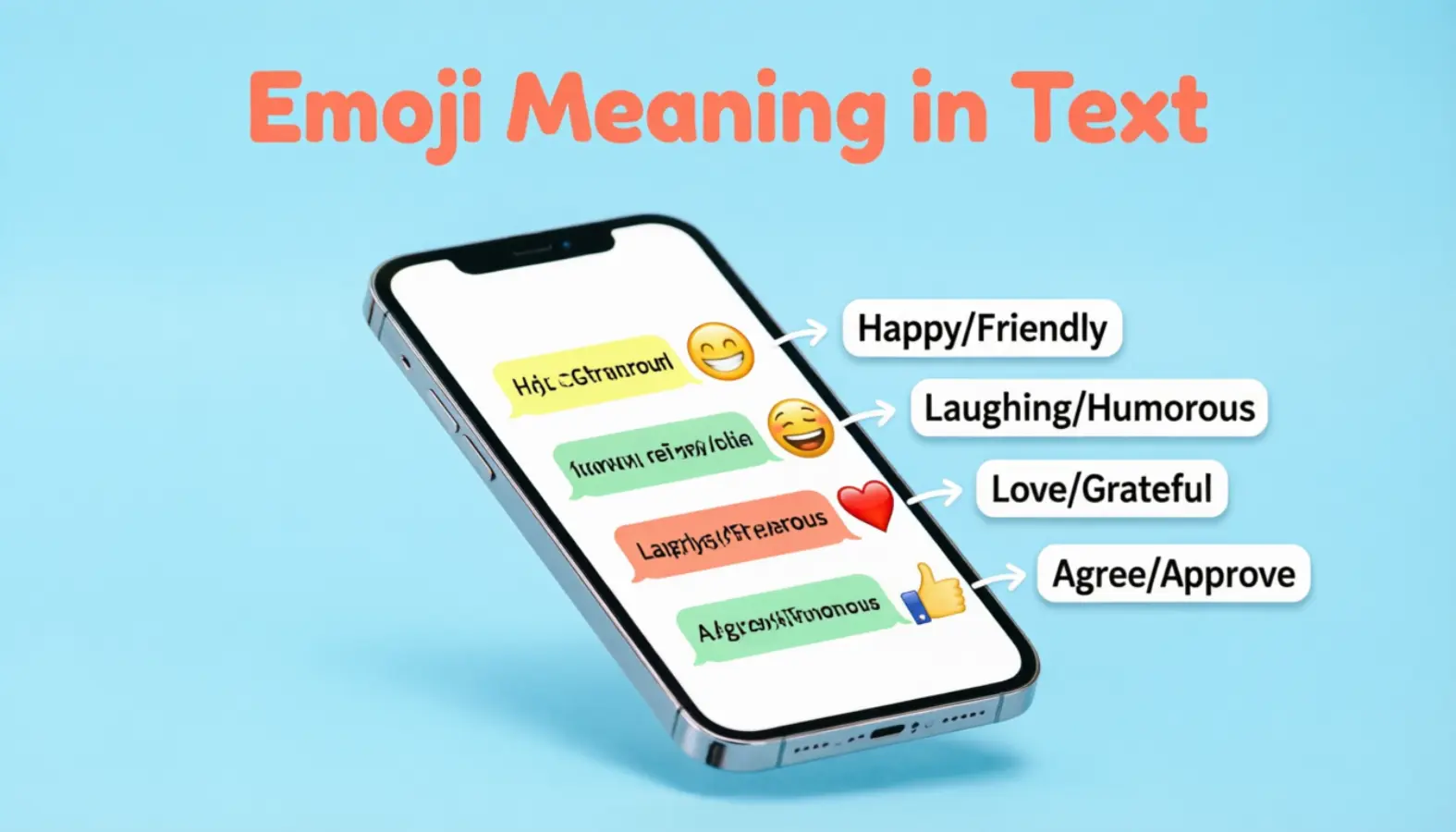
1. Friendly Conversations
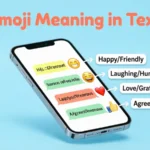
- 😊 = Happiness or politeness
- ❤️ = Love or care
- 😂 = Something is very funny
2. Casual or Flirty Context
- 😉 = Flirting or joking
- 😏 = Confidence or teasing
3. Professional Context
- 👍 = Agreement or approval
- 🙏 = Thank you or respect
4. Negative or Sarcastic Tone
- 😒 = Annoyance
- 🙃 = Sarcasm or irony
Is it rude, offensive, or neutral?
Emojis are usually neutral or positive, but they can become rude depending on how they’re used.
Neutral emojis
- 🙂 Slight smile
- 👍 Agreement
Potentially rude emojis
- 🙄 Eye roll (can show disrespect)
- 😏 Smirk (can feel arrogant)
Important tip
Tone matters more than the emoji itself. The same emoji can be friendly or offensive depending on the situation.
Where is it commonly used?
Emojis are widely used across digital platforms:
- Social media (Facebook, Instagram, TikTok)
- Messaging apps (WhatsApp, Messenger)
- Emails (informal or semi-formal)
- Gaming chats
- Online communities
They help make text communication more expressive and less robotic.
Real-life examples of usage
Here are some simple examples showing how emojis work in real messages:
- “I got the job! 🎉” → Excitement
- “That was funny 😂” → Laughter
- “Okay 👍” → Agreement
- “Nice… 😒” → Disappointment or sarcasm
Origin and background of emojis
Emojis were first created in the late 1990s in Japan. They quickly became popular because they made digital communication more emotional and engaging.
Over time, emojis spread globally and are now a standard part of communication on almost every device and platform.
Today, there are thousands of emojis representing emotions, objects, people, and even cultural symbols.
Comparison with similar slang
Emojis often replace or work alongside internet slang.
| Emoji | Meaning | Similar Slang |
|---|---|---|
| 😂 | Laughing hard | LOL, LMAO |
| ❤️ | Love | <3 |
| 👍 | Okay / Agree | OK, K |
| 😒 | Annoyed | Ugh |
| 😏 | Smug / Flirty | Hmm |
When to use and avoid emojis
✅ When to use emojis
- Friendly chats
- Social media posts
- Informal conversations
- Expressing emotions clearly
❌ When to avoid emojis
- Formal emails
- Professional documents
- Serious discussions
- Talking to someone unfamiliar
Polite alternatives (if emojis feel inappropriate)
Instead of emojis, you can use words:
- 😊 → “That sounds great!”
- 👍 → “I agree”
- ❤️ → “I appreciate it”
- 😂 → “That’s really funny”
This keeps communication professional and clear.
Why people use emojis
People use emojis for many reasons:
- To show emotions quickly
- To avoid misunderstandings
- To make messages feel friendly
- To add personality to text
- To replace long sentences
Without emojis, text can feel cold or unclear.
Impact of using emojis in communication
Emojis have changed how we communicate online.
Positive impact
- Makes messages more expressive
- Reduces confusion about tone
- Builds connection
Negative impact
- Can be misunderstood
- May seem unprofessional
- Different meanings across cultures
Is it safe for social media?
Yes, emojis are generally safe for social media use.
However, keep these tips in mind:
- Avoid overusing emojis
- Use appropriate emojis for your audience
- Be careful with double meanings
- Stay respectful
Examples Section
Here are different real-life examples showing emoji usage in various tones:
Friendly
- “Good morning! 😊 Hope you have a great day!”
- “Miss you ❤️”
Casual
- “Let’s meet later 👍”
- “That movie was awesome 😎”
Argumentative
- “Wow… really? 🙄”
- “Sure, whatever 🙃”
Gaming or Social Media
- “GG 😂” (Good game + laughter)
- “Let’s win this 🔥”
- “That was insane 😱”
FAQs
1. What is emoji meaning in text?
It refers to the emotional or symbolic meaning behind emojis used in digital messages.
2. Are emojis universal in meaning?
No, emoji meanings can change depending on context, culture, and tone.
3. What does 😂 mean in text?
It means something is extremely funny.
4. Are emojis professional?
They can be used in casual work chats but should be avoided in formal communication.
5. Can emojis be misunderstood?
Yes, especially across different cultures or age groups.
6. Why do people prefer emojis over words?
Because they are quick, expressive, and make conversations more engaging.
Conclusion
Emoji meaning in text plays a big role in modern communication. Emojis help express emotions, tone, and intent in a simple and visual way. However, their meaning is not always fixed—it depends on context, relationship, and platform.
Using emojis wisely can make your messages more friendly and engaging. But overusing them or using them in the wrong situation can lead to confusion or even misinterpretation.
The key is simple: understand the context, know your audience, and use emojis thoughtfully.

I’m Maya Faith, a passionate writer who loves creating words that uplift and encourage others. Through my writing, I hope to bring comfort, peace, and a spark of faith to every reader. I believe that even in life’s storms, hope always finds a way to shine through. When I’m not writing, I enjoy quiet mornings, heartfelt prayers, and a good cup of coffee.