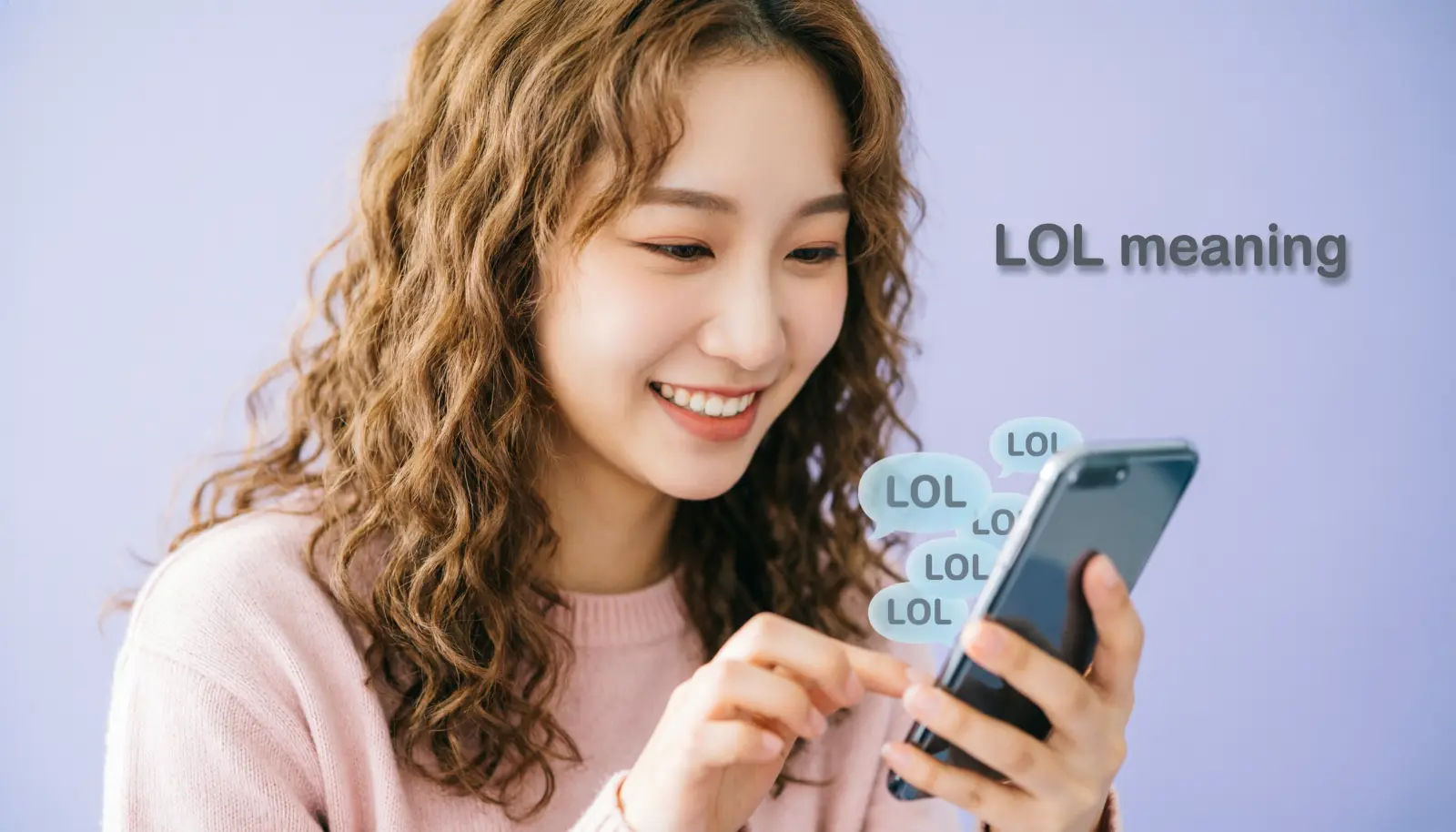
LOL meaning in text is one of the most searched internet slang terms, especially by people who are new to online chatting, texting, or social media.
You’ve probably seen “LOL” in messages, comments, or memes but what does it really mean? Is it always about laughing, or does it have other uses too?
In today’s digital world, short forms like LOL make communication faster and more expressive. However, their meaning can sometimes change depending on the situation, tone, or even the person using them.
That’s why understanding slang like LOL is important if you want to communicate clearly and avoid confusion.
⚡ Quick Answer:
LOL stands for “Laughing Out Loud.” It is used in text to show that something is funny or amusing, though sometimes it’s used casually even without real laughter.
What does LOL mean in text?
The term LOL meaning in text is simple but flexible. It usually expresses laughter or amusement in a conversation.
Full form of LOL
- LOL = Laughing Out Loud
Originally, it meant that someone was laughing loudly in real life. But over time, its meaning has softened.
Modern Meaning
Today, LOL can mean:
- “That’s funny”
- “I’m amused”
- “I acknowledge your joke”
- Even just a filler to keep the conversation friendly
Meaning in Different Contexts
LOL doesn’t always mean the same thing. Its meaning depends on how and where it is used.
1. Genuine laughter
When something is truly funny:
- “That joke was hilarious LOL!”
2. Light humor or politeness
Used to keep the tone friendly:
- “I forgot my keys again LOL”
3. Slight awkwardness
Sometimes used to ease tension:
- “That was kind of awkward LOL”
4. Sarcasm or irony
It can even be sarcastic:
- “Oh great, my phone died again LOL”
Is it rude, offensive, or neutral?
The LOL meaning slang is generally neutral and friendly.
However:
- It can feel insincere if overused
- In serious conversations, it may seem disrespectful
- In arguments, it can come across as mocking
👉 Example:
- “You’re wrong LOL” → may sound rude
So, tone and context matter a lot.
Where is it commonly used?
LOL is widely used across digital platforms:
- Text messages (SMS, WhatsApp)
- Social media (Facebook, Instagram, X)
- Online gaming chats
- Emails (informal ones)
- Forums and comment sections
It’s especially popular among:
- Teenagers and young adults
- Casual online conversations
Real-Life Examples of Usage
Here are some everyday examples:
- “I just watched that video LOL it’s so funny”
- “You won’t believe what happened today LOL”
- “I tried cooking and burned everything LOL”
- “LOL that meme made my day”
Origin and Background of LOL
The what does LOL stand for question has an interesting history.
- LOL started in the 1980s–1990s
- It was first used in early internet chatrooms and bulletin boards
- It became popular with the rise of instant messaging apps
Over time, LOL became one of the most recognized internet acronyms worldwide.
Interestingly, today many people type “LOL” without actually laughing—it has become more of a conversational tool than a literal expression.
Comparison with Similar Slang
LOL is not the only slang used for laughter. Here’s how it compares:
| Slang | Full Form | Meaning | Intensity |
|---|---|---|---|
| LOL | Laughing Out Loud | Mild laughter | Low |
| LMAO | Laughing My A** Off | Strong laughter | Medium |
| ROFL | Rolling On the Floor Laughing | Extreme laughter | High |
| Haha | — | Simple laugh | Low |
| XD | — | Laughing face | Medium |
👉 LOL is the safest and most commonly used among these.
When to Use and When to Avoid LOL
✅ When to use LOL
- Casual chats with friends
- Social media comments
- Light-hearted conversations
- Responding to jokes
❌ When to avoid LOL
- Formal emails
- Professional communication
- Serious or emotional discussions
- Apologies or sensitive topics
👉 Example to avoid:
- “I’m sorry for your loss LOL” ❌ (inappropriate)
Polite Alternatives to LOL
If you want to sound more natural or professional, try:
- “That’s funny”
- “That made me laugh”
- “I found that amusing”
- “Haha” (less intense)
- “That’s hilarious”
These options work better in semi-formal situations.
Why People Use LOL
There are several reasons why LOL is so popular:
- Saves time while typing
- Expresses emotion quickly
- Keeps conversations friendly
- Reduces awkwardness
- Makes messages feel less serious
It also helps replace facial expressions in digital communication.
Impact of Using Slang in Communication
Using slang like LOL has both advantages and disadvantages.
👍 Benefits
- Makes conversations casual and fun
- Helps build rapport
- Speeds up communication
👎 Drawbacks
- Can cause misunderstanding
- May seem unprofessional
- Overuse can reduce clarity
👉 The key is balance—use it where appropriate.
Is it Safe for Social Media?
Yes, LOL is completely safe for social media.
However:
- Avoid overusing it in professional profiles
- Be mindful of tone in public posts
- Don’t use it in sensitive discussions
Used correctly, it makes your content more engaging and relatable.
Examples Section
Here are different tone-based examples:
Friendly
- “That story was amazing LOL”
Casual
- “I just woke up at noon LOL”
Argumentative
- “You really think that works LOL”
Gaming / Social Media
- “That move was insane LOL GG”
FAQs About LOL Meaning in Text
1. What does LOL stand for?
LOL stands for Laughing Out Loud.
2. Is LOL still used today?
Yes, it’s still widely used, though sometimes replaced by emojis or “haha.”
3. Does LOL always mean real laughter?
No, it often just shows friendliness or mild amusement.
4. Is LOL formal or informal?
LOL is informal and best for casual conversations.
5. Can LOL be rude?
Yes, if used in arguments or serious situations, it may sound sarcastic or disrespectful.
6. What is the difference between LOL and LMAO?
LOL is mild laughter, while LMAO shows stronger amusement.
Conclusion
Understanding the LOL meaning in text helps you communicate more effectively in today’s digital world. While it originally meant “Laughing Out Loud,” its usage has evolved to include humor, politeness, and even sarcasm.
The key to using LOL correctly is context. In casual conversations, it adds warmth and friendliness. But in formal or sensitive situations, it’s better to avoid it.
Use it wisely, and it can make your messages more engaging, natural, and relatable.

I’m Adam Johen, a passionate writer who enjoys crafting inspiring and joyful wish articles. I love helping people find the perfect words to celebrate life’s moments. Writing heartfelt messages brings me happiness and purpose. Through my work, I aim to spread smiles and positivity around the world.