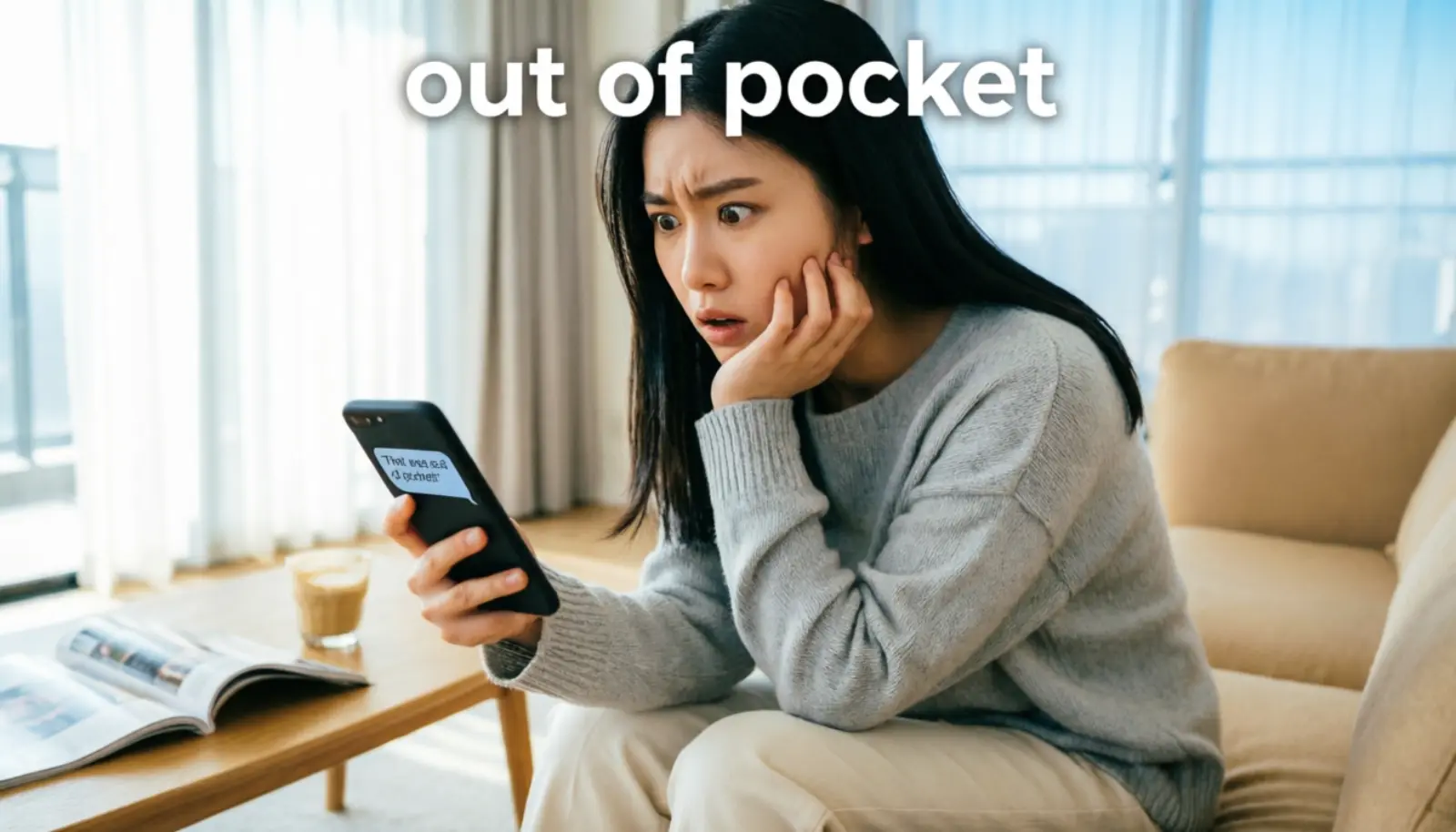
Out of pocket meaning in text is something many people search for when they see this phrase used in chats, social media, or online conversations.
At first glance, it might sound confusing because the literal meaning doesn’t match how it’s used in modern slang. In everyday texting, “out of pocket” can mean different things depending on the situation.
Sometimes it refers to being unavailable, while in other cases, it can describe someone acting wild, inappropriate, or out of line. This dual meaning is exactly why people want a clear explanation.
Understanding slang like this helps you communicate better and avoid misunderstandings, especially in casual or online settings where tone can easily be misread.
⚡ Quick Answer:
“Out of pocket” in text usually means either being unavailable or acting inappropriately or disrespectfully, depending on the context.
What Does Out of Pocket Mean in Text?
The phrase “out of pocket” has two main meanings in texting and online slang:
1. Unavailable or Not Reachable
This is the more traditional meaning. It’s often used in professional or semi-formal communication.
👉 Example:
“I’ll be out of pocket this afternoon, so I may not reply.”
2. Acting Wild, Disrespectful, or Out of Line
This is the modern slang meaning, commonly used on social media.
👉 Example:
“That comment was really out of pocket.”
Full Form / Definition of the Slang
There is no actual “full form” for this phrase since it’s not an acronym. However, its slang definition can be summarized as:
- Out of pocket meaning slang: behaving in a way that is unexpected, inappropriate, or excessive
- What does out of pocket stand for: acting outside normal behavior or being unavailable depending on context
Meaning in Different Contexts
The meaning changes based on how and where it’s used:
📱 Casual Chat
- Usually means someone is acting weird or rude
- “Why are you being out of pocket today?”
💼 Professional Context
- Means unavailable or unreachable
- “I’ll be out of pocket during the meeting”
🎮 Gaming / Online Communities
- Refers to unexpected or aggressive behavior
- “That move was out of pocket!”
Is It Rude, Offensive, or Neutral?
It depends on how you use it:
- ✅ Neutral: When referring to being unavailable
- ⚠️ Slightly rude: When calling someone out for behavior
- ❌ Offensive: If used aggressively or in arguments
👉 Tone and context matter a lot with this phrase.
Where Is It Commonly Used?
You’ll often see “out of pocket” in:
- Social media platforms (Twitter, TikTok, Instagram)
- Text messages and chats
- Workplace emails (formal meaning)
- Gaming communities
Real-Life Examples of Usage
Here are some examples showing different meanings:
- “I’ll be out of pocket for a few hours.” (Unavailable)
- “That joke was out of pocket.” (Inappropriate)
- “He’s been acting out of pocket lately.” (Strange behavior)
Origin and Background of the Slang
The phrase originally comes from older English usage, where “out of pocket” meant out of reach or unavailable.
Over time, especially in internet culture and urban slang, the meaning evolved. Now it often describes behavior that is:
- Unexpected
- Disrespectful
- Over-the-top
This shift shows how language adapts with digital communication.
Comparison With Similar Slang
Here’s how “out of pocket” compares with other slang terms:
| Slang Term | Meaning | Tone | Usage Context |
|---|---|---|---|
| Out of pocket | Unavailable / inappropriate | Neutral to rude | Text, social media |
| Out of line | Disrespectful behavior | Negative | Arguments |
| Wild | Crazy or extreme behavior | Casual | Social media |
| Extra | Overdramatic or excessive | Light/funny | Casual conversations |
| Unavailable | Not reachable | Formal | Work/professional |
When to Use It and When to Avoid
✅ Use It When:
- Talking casually with friends
- Describing unusual or rude behavior
- Informally explaining unavailability
❌ Avoid It When:
- Writing formal emails (slang meaning)
- Talking to someone you don’t know well
- In sensitive or professional situations
Polite Alternatives
If you want to avoid sounding rude, try these:
- “That was inappropriate”
- “That wasn’t necessary”
- “I’ll be unavailable”
- “That behavior was unexpected”
Why Do People Use This Slang?
People use “out of pocket” because it:
- Sounds expressive and modern
- Captures emotion quickly
- Is widely understood in online culture
- Adds personality to conversations
It’s especially popular among younger audiences and on social media.
Impact of Using Slang in Communication
Using slang like “out of pocket” can:
👍 Positive Impact:
- Make conversations feel natural
- Help you connect with others
- Add humor or emphasis
👎 Negative Impact:
- Cause misunderstandings
- Sound unprofessional in formal settings
- Be taken the wrong way depending on tone
Is It Safe for Social Media?
Yes, but with caution:
- ✅ Safe in casual posts and comments
- ⚠️ Be mindful of tone in public discussions
- ❌ Avoid using it in a way that may offend others
Always consider your audience before using slang online.
Examples in Different Situations
😊 Friendly
- “You’re out of pocket for that joke 😂”
😎 Casual
- “Bro, that was so out of pocket!”
😠 Argumentative
- “You’re completely out of pocket right now.”
🎮 Gaming / Online
- “That play was out of pocket, didn’t expect that!”
FAQs
1. What is the exact out of pocket meaning in text?
It means either being unavailable or acting inappropriately, depending on context.
2. Is out of pocket a bad word?
No, but it can sound rude if used to criticize someone’s behavior.
3. What does out of pocket mean slang?
In slang, it means someone is acting wild, disrespectful, or unexpected.
4. Can I use out of pocket in professional messages?
Only if you mean unavailable—avoid the slang meaning.
5. Is out of pocket popular on social media?
Yes, it’s widely used on platforms like Twitter and TikTok.
6. Does out of pocket have a full form?
No, it’s a phrase—not an acronym.
Conclusion
The out of pocket meaning in text can seem confusing at first, but it becomes clear once you understand its two main uses. It can either mean being unavailable or acting out of line, depending on the context.
The key to using this phrase correctly is understanding tone and situation. While it’s perfect for casual conversations and social media, it may not always be suitable in professional settings.
As with all slang, use it wisely. Context matters—and when used correctly, it can make your communication more expressive and relatable.

I’m Amara Hope, a writer who believes words can heal, inspire, and bring people closer. I love creating heartfelt wishes and joyful messages that brighten someone’s day. Every line I write carries a bit of love, hope, and positivity. Through my writing, I aim to spread kindness and make every moment meaningful.